

Automate the work that drains your team
Solonomous builds bots that survive real production — orchestration, exception handling, queuing, and audit built in — and hands the cases a fixed script cannot read to a model, so the process finishes end to end.
Built for operations teams at growing companies


Bots engineered to run, not just demo
We design every automation around the parts most teams skip — orchestration, exception paths, retries, and observability — so your bots keep working when source systems change, queues back up, or a record doesn’t match the script.
Orchestrated, not scheduled
Work flows through a central queue with priority, concurrency, and SLAs, so bots run in the right order instead of stepping on each other at 2 a.m.
Exception handling that holds up
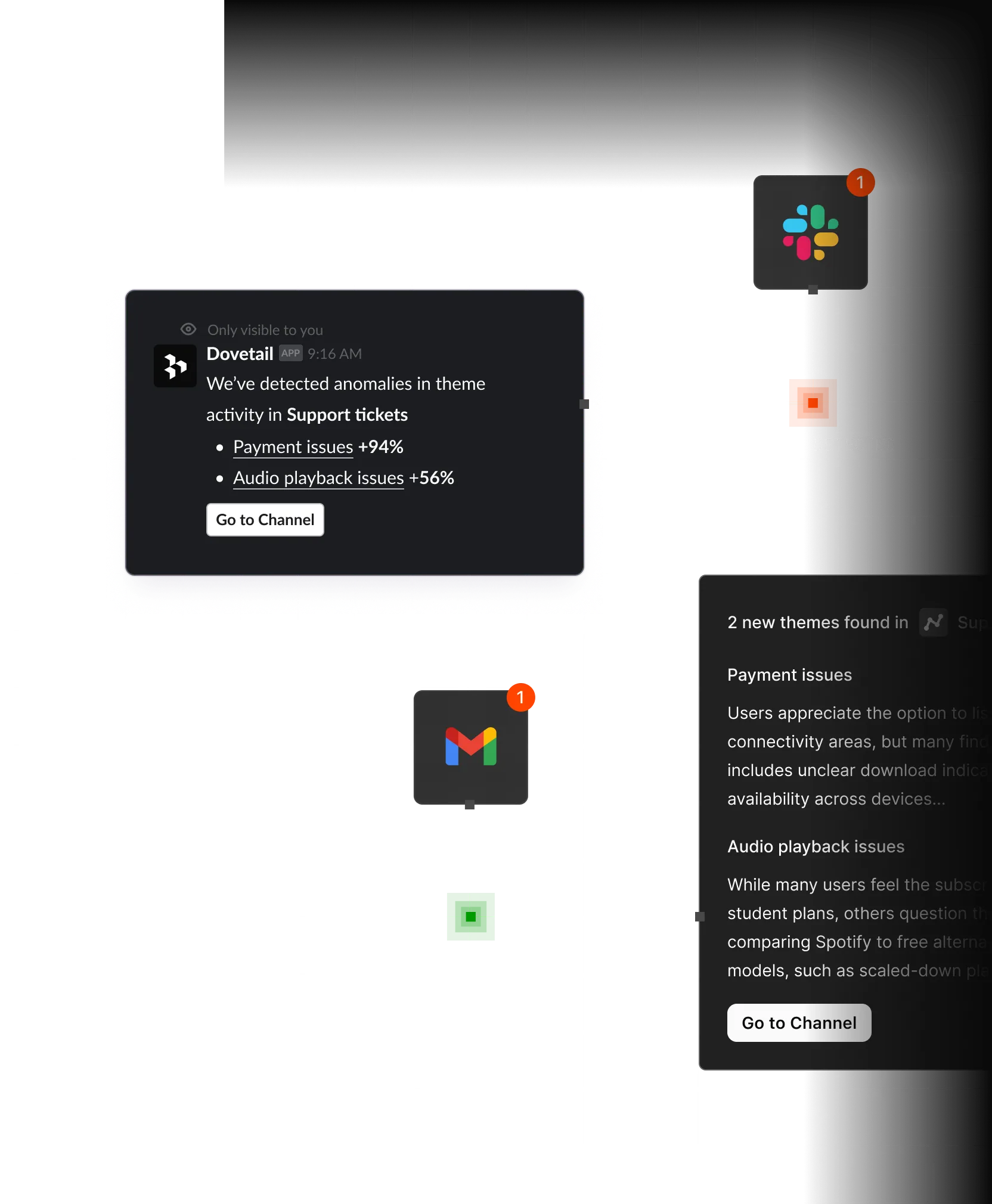
Every process has documented failure paths — retry, route to a human, or park for review — so edge cases get resolved instead of silently dropped.
Retry and queue you can trust
Transient errors get retried with backoff, stuck items move to a review queue, and nothing is lost between a flaky API and your next run.
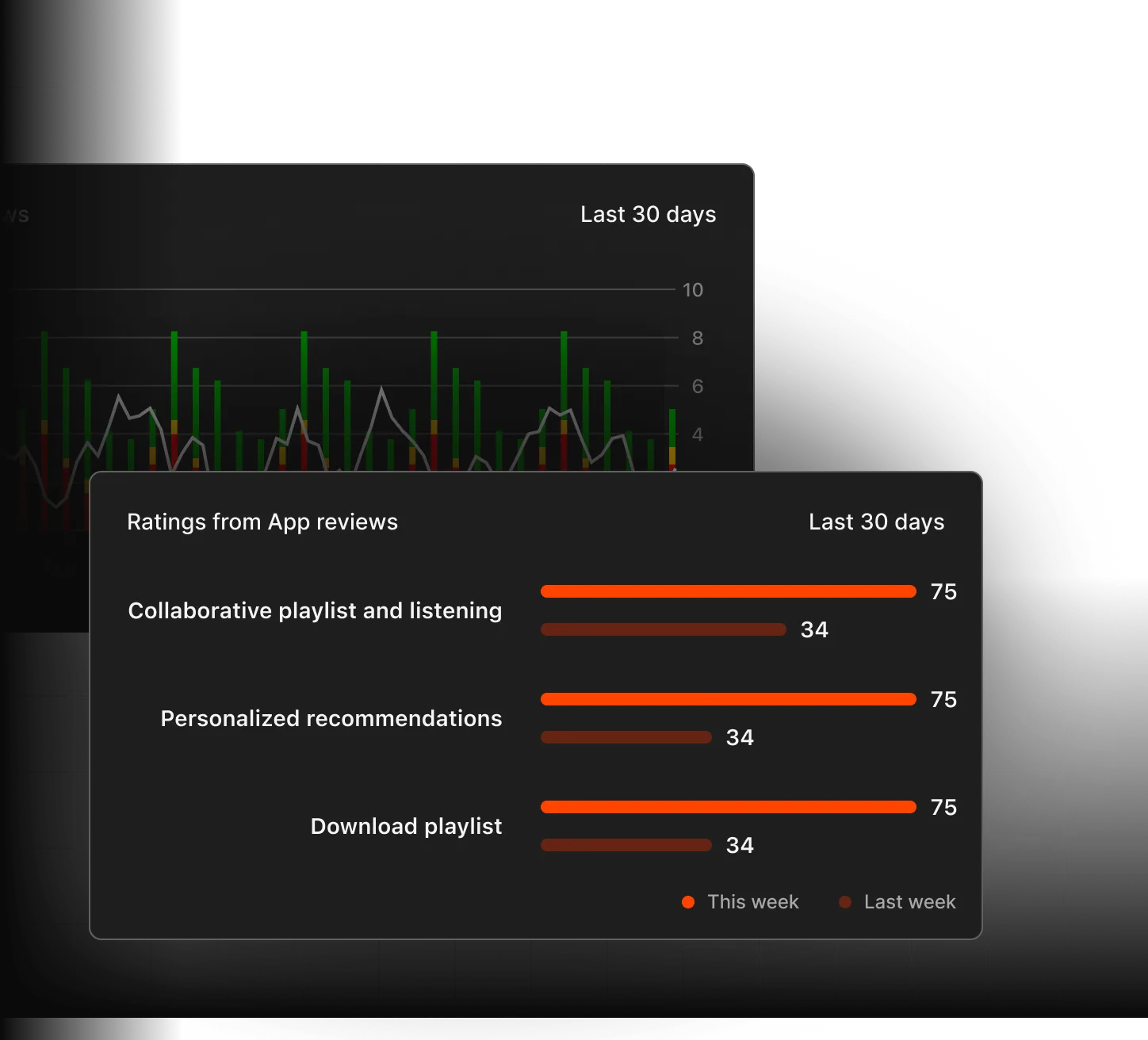
Observability from day one
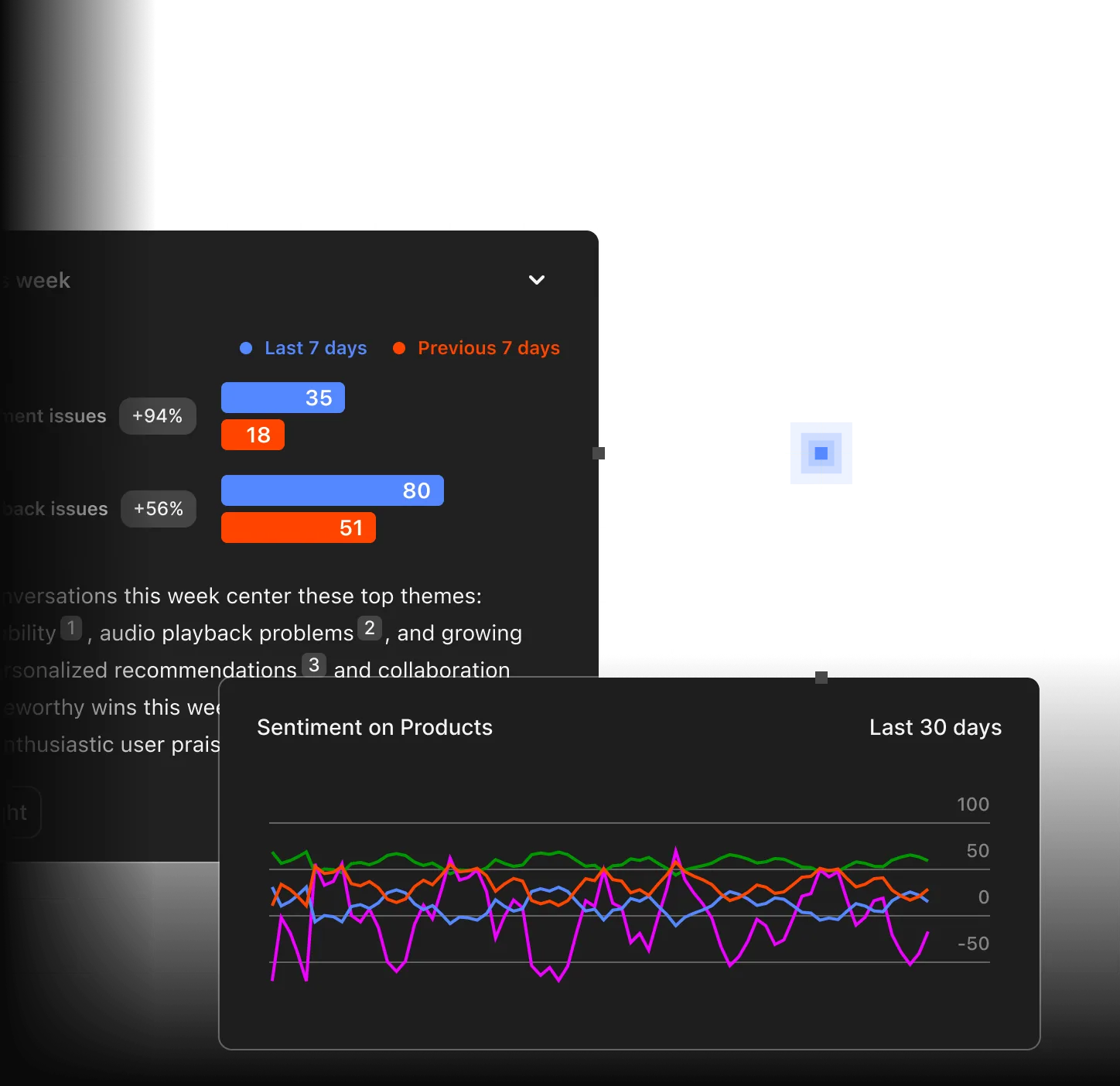
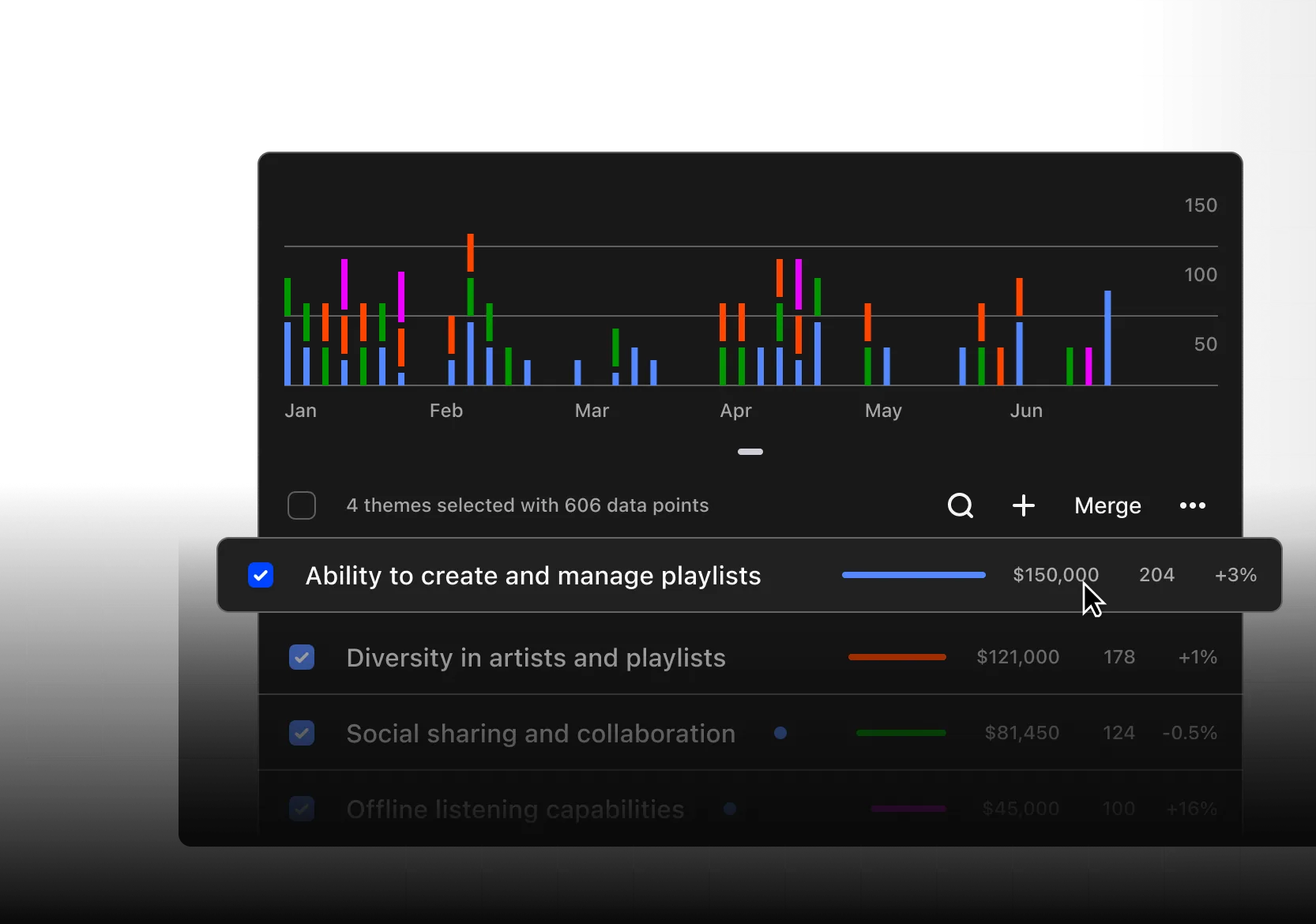
Live dashboards, run logs, and alerts show what each bot did, where it stalled, and which exceptions need attention before they become incidents.
Where the fixed path ends and judgement begins
Classic RPA stops at the first thing it cannot read. We put a model on that boundary — reading unstructured input, triaging exceptions, and escalating what genuinely needs a person — so the process completes instead of queueing.
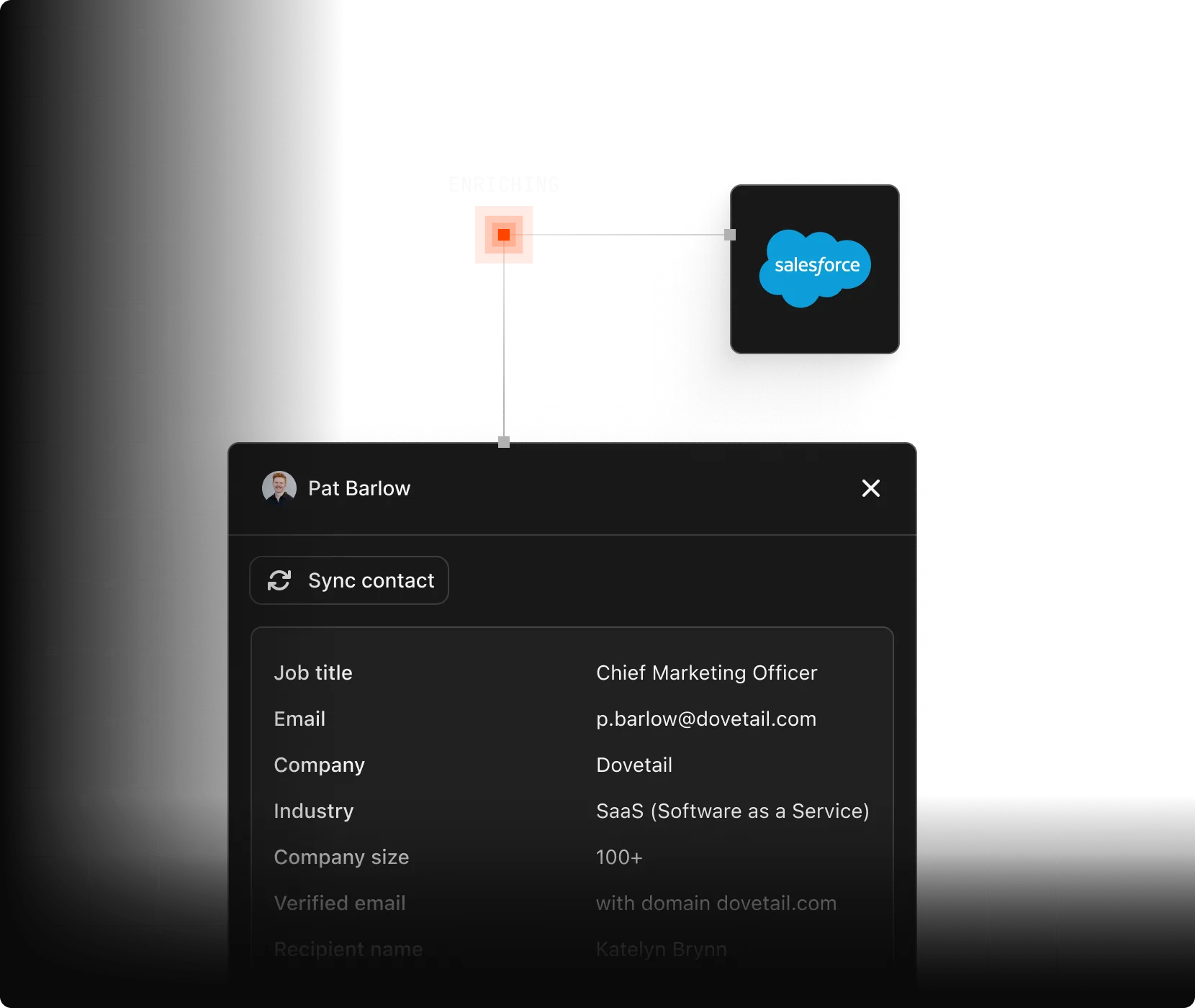
Unstructured input, handled
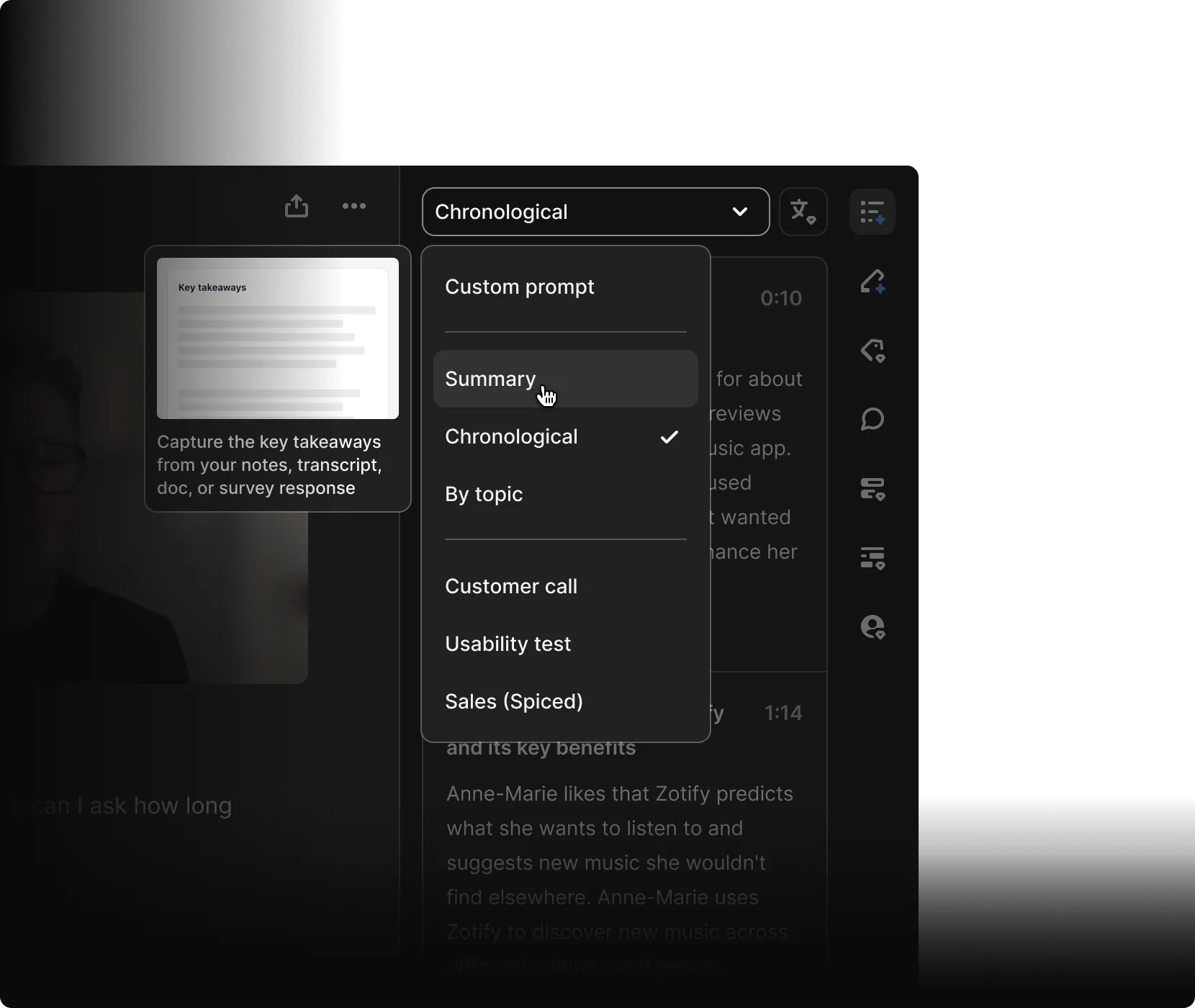
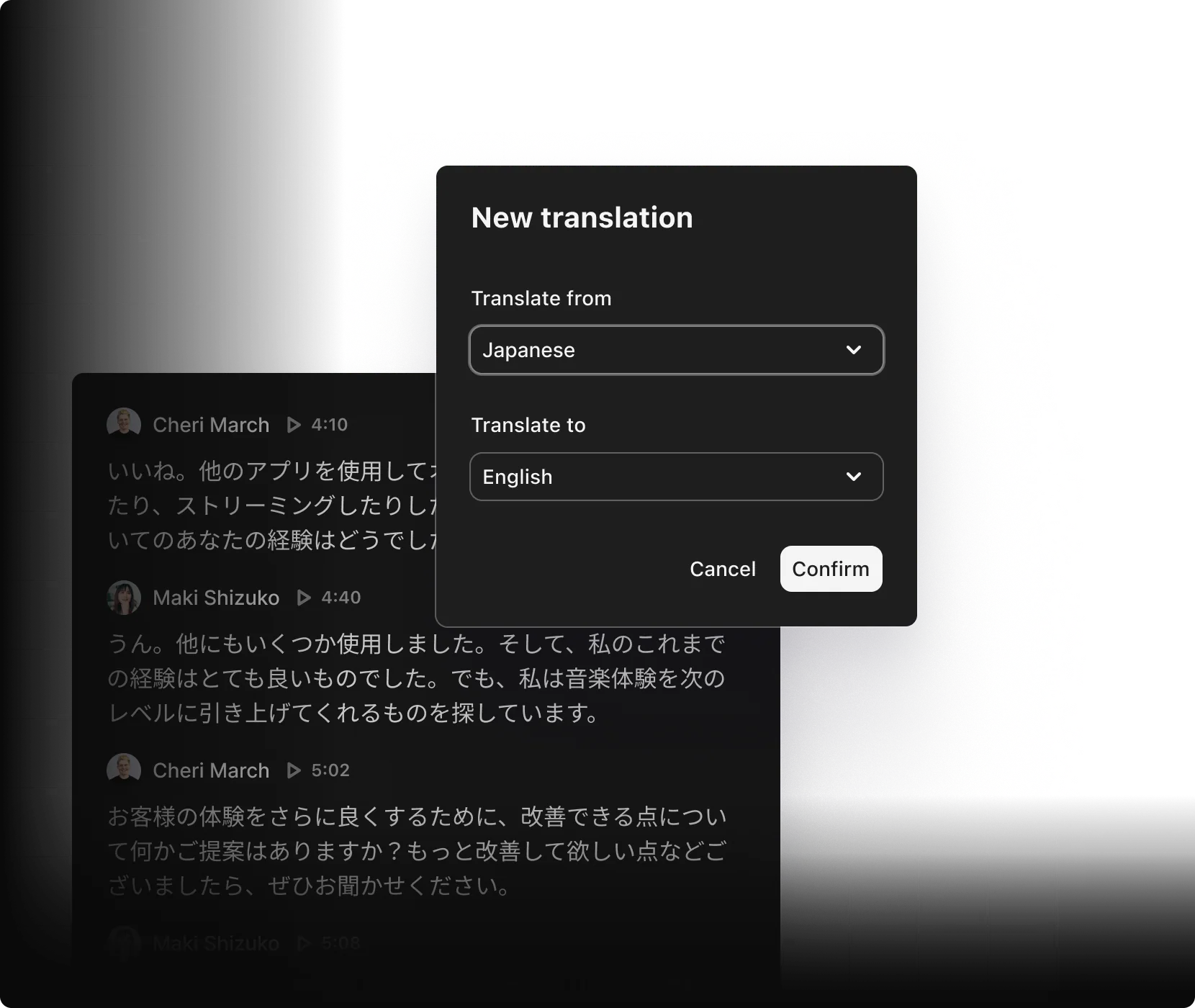
Documents, emails, and free-text fields are read by a model and turned into the structured values the bot needs, so a process no longer stops dead at the first PDF.
Exceptions triaged automatically
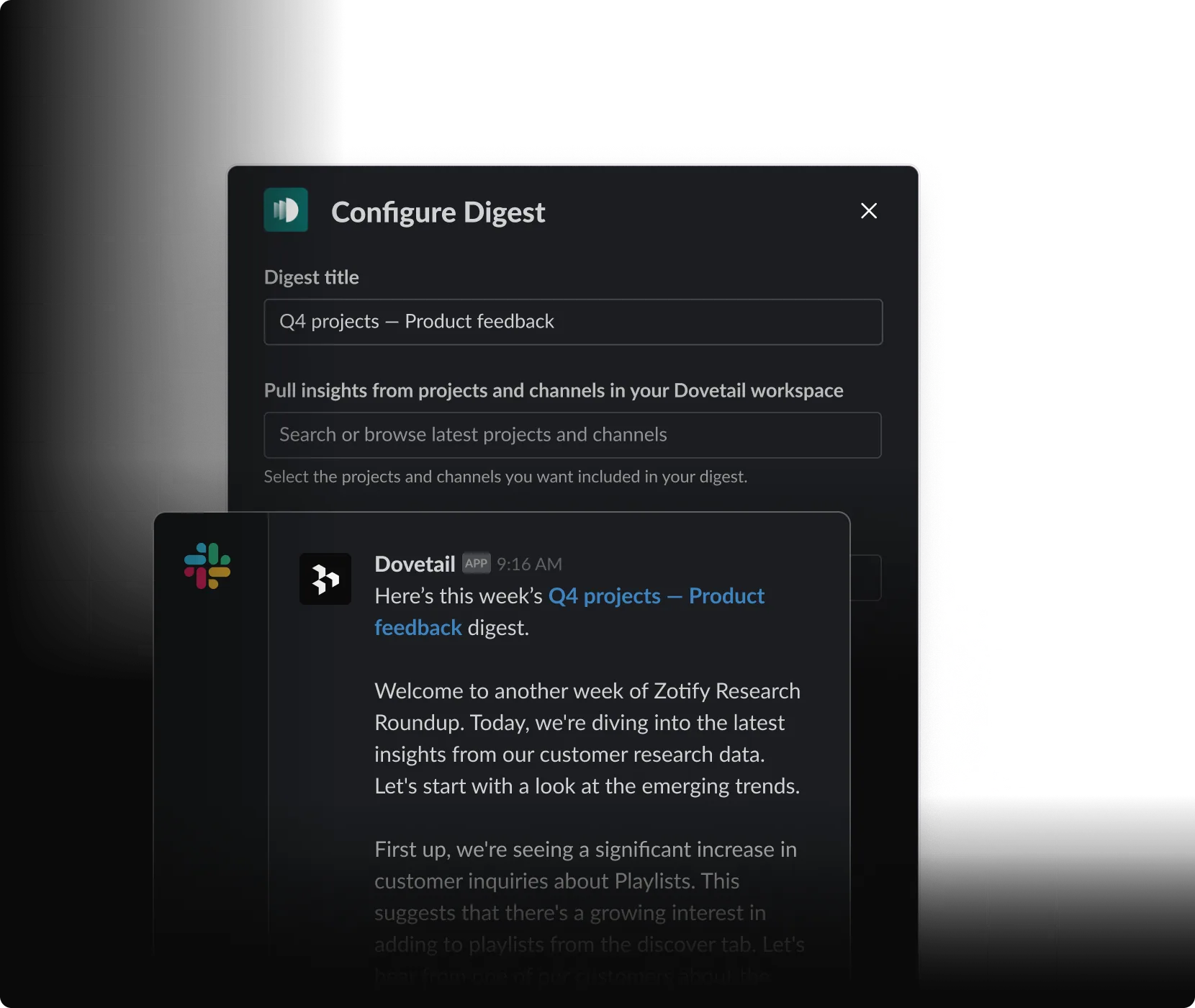
Cases that fall out of the deterministic path are classified, enriched from the surrounding systems, and routed, so only the genuinely ambiguous ones reach a person.
APIs first, screens last
Wherever a system exposes an interface we integrate against it, keeping UI automation for the legacy applications that leave no other option — which is what stops the fleet breaking on every release.
Capacity and cycle time, measured
Hours reclaimed, error rate, and throughput are tracked per process and per team, so the business case is reported live rather than estimated at year end.
Unstructured input, handled
Documents, emails, and free-text fields are read by a model and turned into the structured values the bot needs, so a process no longer stops dead at the first PDF.
Exceptions triaged automatically
Cases that fall out of the deterministic path are classified, enriched from the surrounding systems, and routed, so only the genuinely ambiguous ones reach a person.
APIs first, screens last
Wherever a system exposes an interface we integrate against it, keeping UI automation for the legacy applications that leave no other option — which is what stops the fleet breaking on every release.
Capacity and cycle time, measured
Hours reclaimed, error rate, and throughput are tracked per process and per team, so the business case is reported live rather than estimated at year end.
How a logistics operator removed 40 hours a week of manual invoicing
By replacing screen-scraping scripts with an orchestrated bot fleet, the finance team cleared its invoice backlog and reclaimed a full headcount of capacity within the quarter.
FAQs
We focus on high-volume, rules-based back-office work — invoice processing, order entry, reconciliations, data migration, customer onboarding, and similar — where reliable execution matters more than clever logic.
We work across the major platforms our clients already use, including UiPath, Automation Anywhere, and Power Automate, and complement them with custom services where the platform alone doesn’t fit.
They cover different halves of the same process. RPA is unbeatable where the path is fixed and the input is clean; an agent picks up the cases that vary — unstructured documents, judgement calls, exceptions. Most of our deployments run both, with the agent handling whatever falls out of the deterministic flow.
Every process is built with explicit retry, queue, and human-review paths. Transient errors retry with backoff, stuck items move to a review queue, and exceptions are logged and routed instead of silently dropped.
Bots run under role-based access with full run logs, approval trails, and change history, so risk, compliance, and audit teams can see exactly what each automation did and who approved it.
We instrument each process to track cycle time, error rate, and hours reclaimed, so the business case is reported on a live dashboard instead of estimated in a spreadsheet at the end of the year.