

Agents that finish the work, not just describe it
We build agentic systems that hold state, call your real tools, recover from failure, and stop at the boundaries you set — orchestration engineered for production, not a loop wrapped around a prompt.
Built for operations and engineering teams handing real work to agents


Agents that behave like software
An agent that cannot be traced, replayed, or bounded is not a system — it is a liability with a chat interface. We build them as directed graphs with explicit state, so behaviour is inspectable and failure is recoverable.
Explicit state, not an open loop
Workflows are modelled as graphs with typed state, checkpoints, and per-node timeouts, so a long-running task can be paused, resumed, and audited step by step.
Tools behind a standard interface
Model Context Protocol servers expose your systems as typed, permissioned tools, so one integration serves every agent instead of being rewritten for each framework.
Specialists over one giant prompt
A planner delegates to focused sub-agents with narrow tool access, which is cheaper to run and far easier to debug than a single agent holding every capability at once.
Human in the loop where it counts
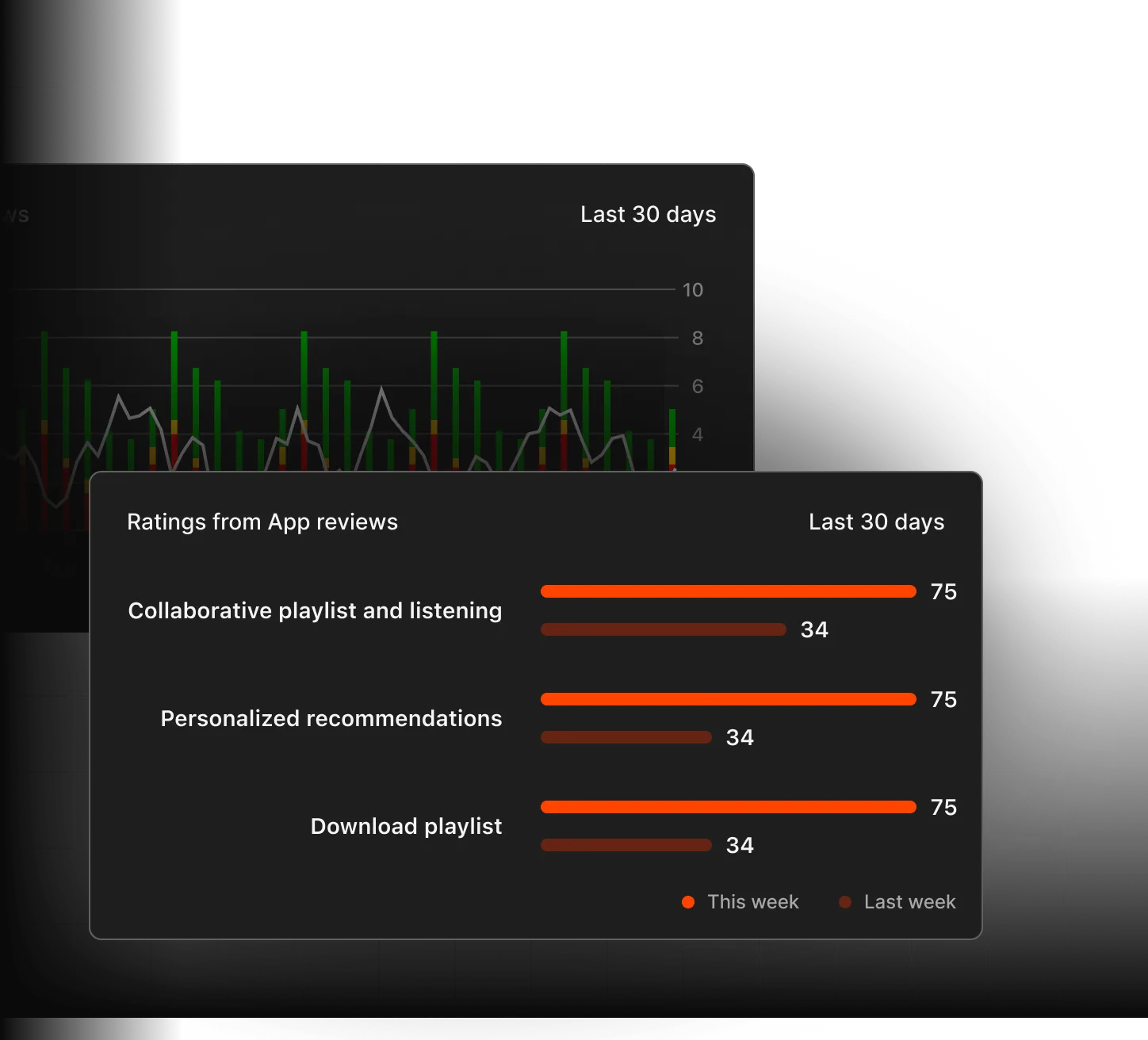
Irreversible actions — payments, deletions, anything leaving the building — pause for approval, with the full reasoning trace attached to the request.
The difference between a demo and a deployment
Agents fail in ways ordinary services do not. They loop, they invent a tool argument, they take a plausible wrong path and commit to it. We instrument for exactly those, and cap what any single run can cost or touch.
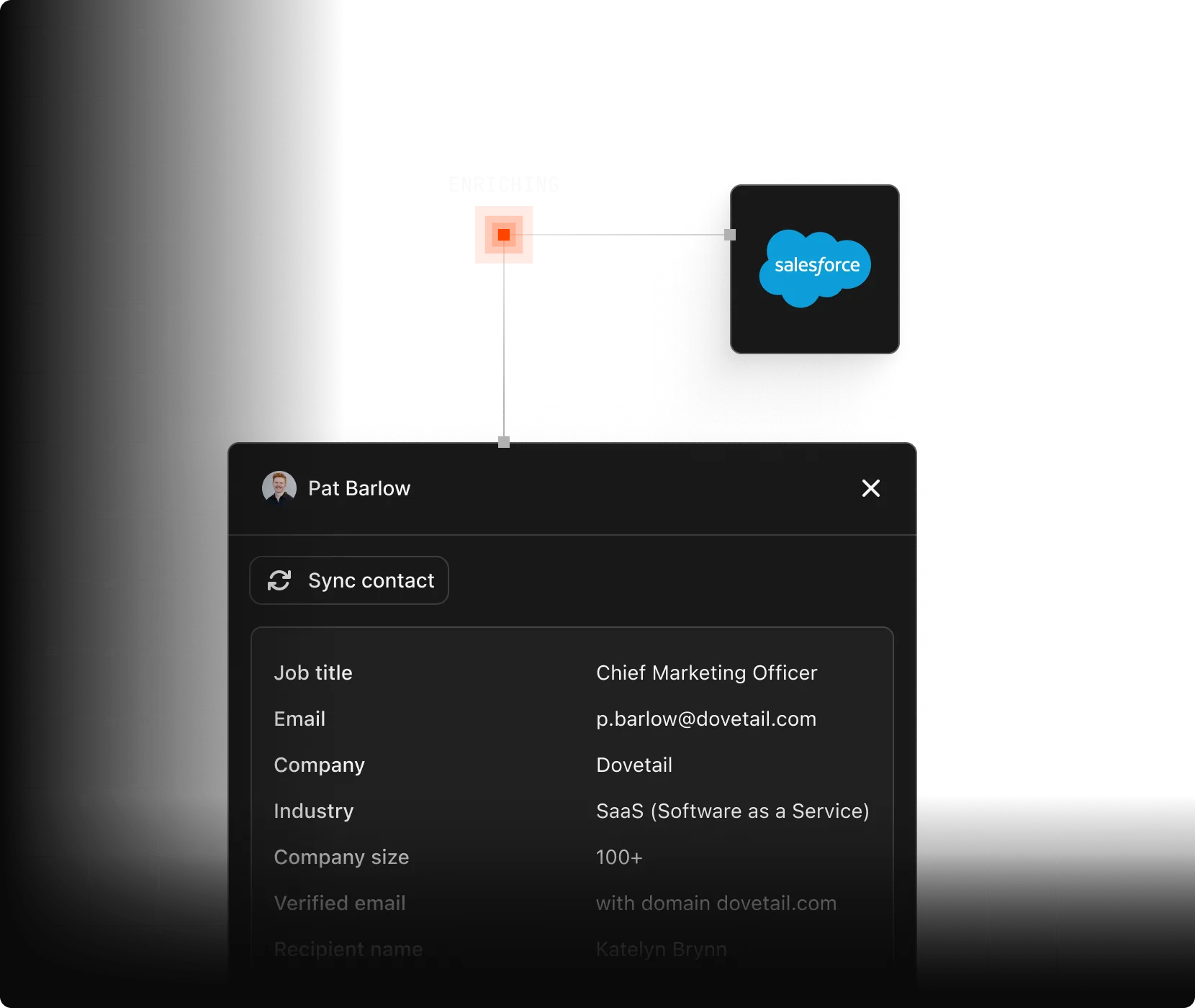
Every run traced end to end
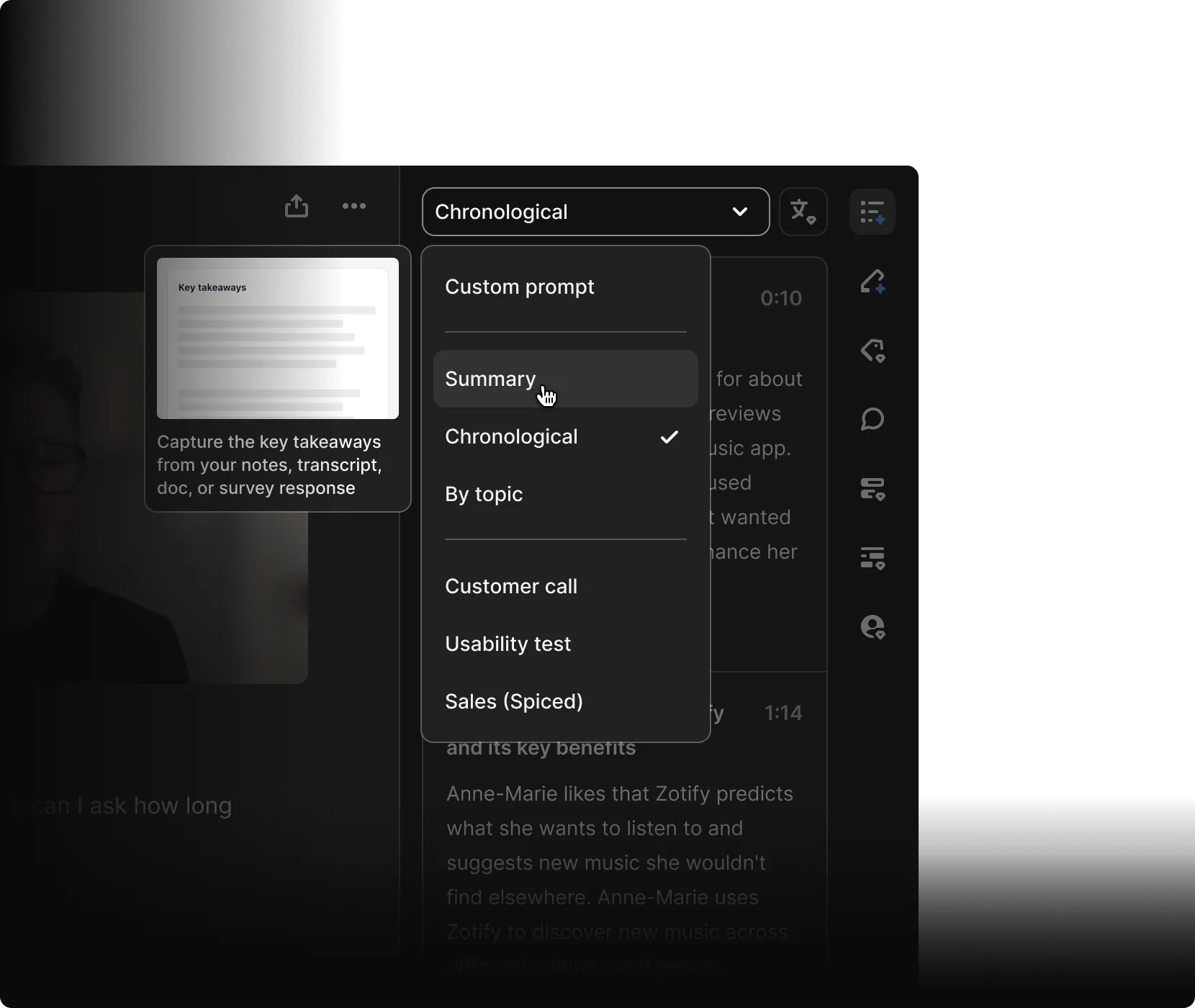
Each step, tool call, token, and decision is recorded, so a wrong answer gets replayed and diagnosed instead of guessed at in a retrospective.
Budgets that actually stop it
Per-run ceilings on steps, tokens, wall-clock, and spend mean a stuck agent costs a rounding error rather than a weekend of API charges nobody noticed.
Failure paths designed in
Retries with backoff, deterministic fallbacks, and escalation to a person are part of the graph, not an exception handler bolted on after the first incident.
Evaluation on whole trajectories
Agents are scored on whether the task completed correctly from end to end, not on whether the final message happened to read well.
Every run traced end to end
Each step, tool call, token, and decision is recorded, so a wrong answer gets replayed and diagnosed instead of guessed at in a retrospective.
Budgets that actually stop it
Per-run ceilings on steps, tokens, wall-clock, and spend mean a stuck agent costs a rounding error rather than a weekend of API charges nobody noticed.
Failure paths designed in
Retries with backoff, deterministic fallbacks, and escalation to a person are part of the graph, not an exception handler bolted on after the first incident.
Evaluation on whole trajectories
Agents are scored on whether the task completed correctly from end to end, not on whether the final message happened to read well.
An agent that clears the exception queue overnight
Orders that fell out of the automated flow are now investigated, enriched from three systems, and either resolved or escalated with a written rationale, so the morning queue starts near empty.
FAQs
Multi-step tasks with unstructured input and a checkable result: triaging exceptions, researching and summarising against internal policy, reconciling records across systems, drafting work that a person approves. Where the path is fixed and the input is clean, deterministic automation is still the better answer.
LangGraph for core orchestration where state and durability matter, with Model Context Protocol as the tool interface so integrations outlive any one framework. We pick per workload and document why, rather than committing you to a single vendor’s runtime.
Three ways at once: scoped tool permissions so it can only reach what it needs, hard per-run budgets on steps and spend, and a human approval gate on any action that cannot be undone. The limits are enforced by the orchestration layer, not by asking the model nicely.
RPA follows a fixed path through a known interface and is very hard to beat when the process is stable. Agents cover the cases where the path varies — unstructured input, judgement calls, exceptions. Most of our deployments run both, with the agent picking up whatever falls out of the deterministic flow.
Task completion rate on a fixed set of scenarios, plus cost and latency per run and the share of runs needing human intervention. Those numbers are tracked per release, so a change that makes the agent chattier but less effective is visible immediately.